Carpenter Bees vs. Bumble Bees
Carpenter Bees vs. Bumble Bees: What's Buzzing Around Your Home?
When the weather warms up, bees become much more active around yards, porches, decks, and gardens. At Palmetto Exterminators, one common question we hear from homeowners is, "Is that a carpenter bee or a bumble bee?"
While they may look similar at first glance, carpenter bees and bumble bees have very different habits. One is more likely to nest in the ground, while the other can tunnel into wood around your home. Knowing the difference can help you understand what you're seeing and whether it may become a problem.
How to Tell the Difference
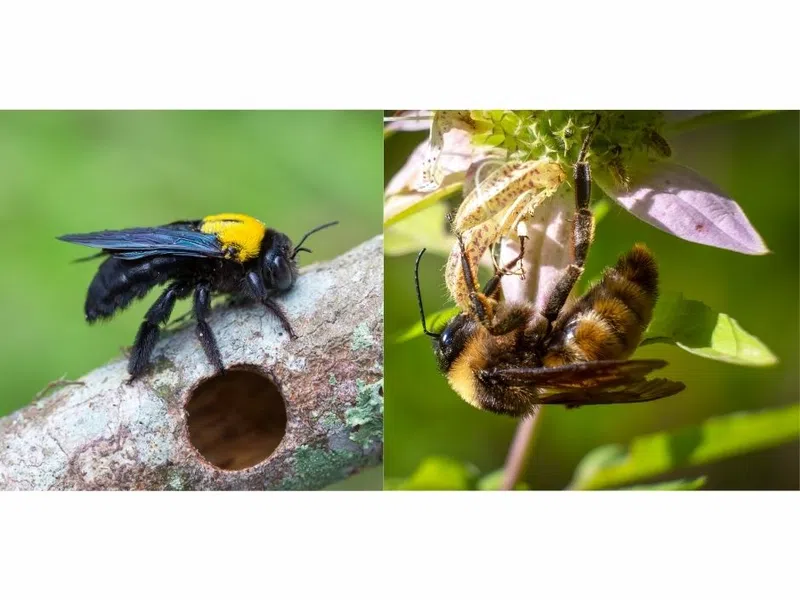
One of the easiest ways to tell carpenter bees and bumble bees apart is by looking at the abdomen.
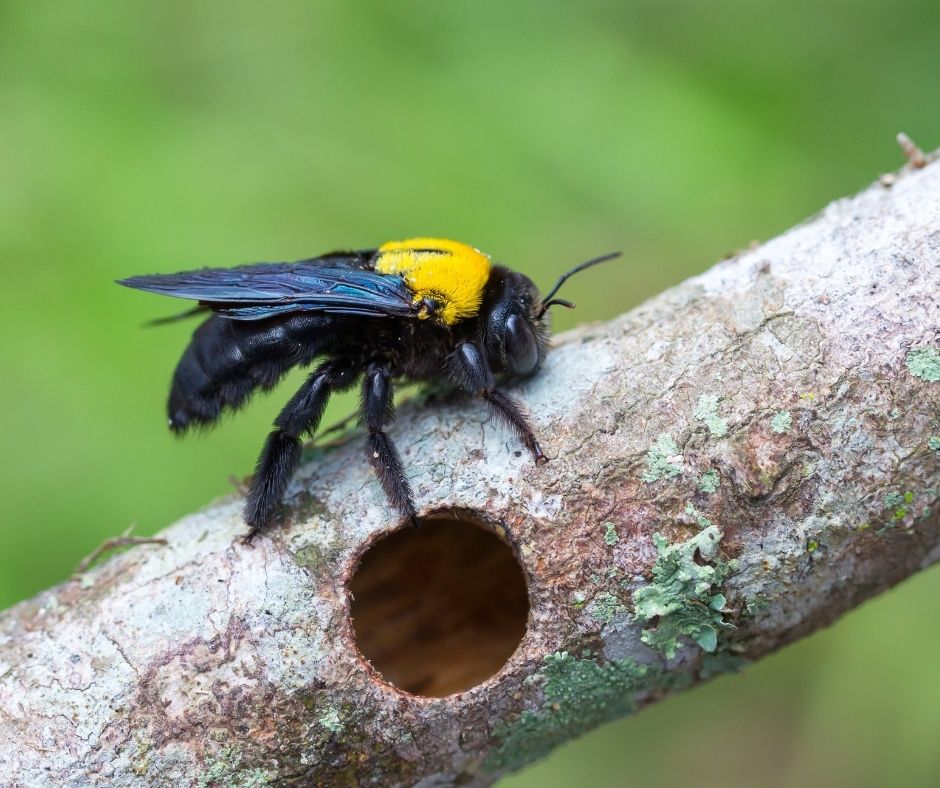
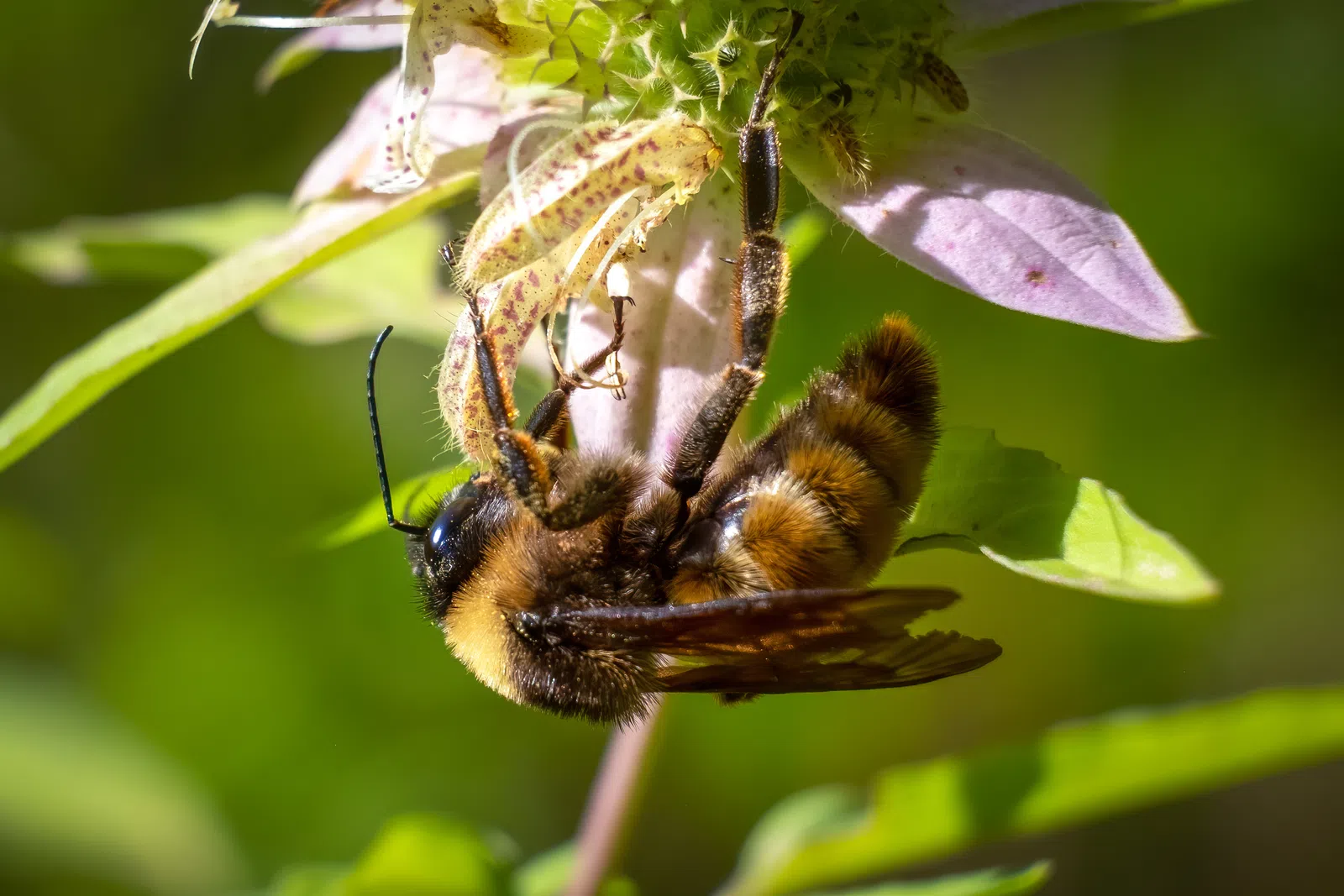
Carpenter bees usually have a smooth, shiny black abdomen that looks almost hairless. Bumble bees are fuzzy from head to tail, with a soft, hairy body and more noticeable yellow-and-black striping.
Carpenter bees often have a yellowish section behind the head, but their rear end is typically solid black. Bumble bees tend to have more even bands of yellow and black across their bodies.
You may also notice carpenter bees hovering around decks, railings, trim, or eaves. These are often male carpenter bees guarding the area. They may act aggressively, but males cannot sting.
Where Do They Nest?
Carpenter bees are known for boring into wood. They create round, clean-looking holes that are usually about half an inch wide. These holes are often found in unpainted, untreated, or weathered wood, including decks, porch railings, fascia boards, trim, fence posts, and eaves.
Once inside the wood, the female carpenter bee turns and tunnels with the grain. These tunnels may run several inches long and are used to lay eggs and store pollen and nectar for developing young.
Bumble bees do not drill into wood. Instead, they usually nest in existing spaces such as old rodent burrows, grass clumps, compost piles, or other sheltered cavities. Their nests are seasonal and are typically built with wax.
Are They Social Bees?
Carpenter bees are mostly solitary. Each female creates and maintains her own tunnel, while males stay nearby to protect the nesting area. This is why you may see one or two bees hovering around the same section of wood.
Bumble bees are social insects. They live in colonies with a queen and workers. A bumble bee colony can contain dozens or even hundreds of bees during the active season.
Are Carpenter Bees or Bumble Bees Dangerous?
Both carpenter bees and bumble bees can be beneficial pollinators, but their behavior around people is different.
Male carpenter bees may hover close to your face or dive near you if you get too close to their nesting area, but they cannot sting. Female carpenter bees can sting, but they rarely do unless they are handled or directly threatened.
Bumble bees are usually not aggressive when left alone. However, they will defend their nest if it is disturbed. Unlike honey bees, bumble bees can sting more than once.
Why Carpenter Bees Can Become a Problem
Carpenter bees are helpful pollinators, but they can become a concern when they begin nesting in the wood around your home. A single tunnel may not cause major damage right away, but the problem can grow over time.
Carpenter bees often return to the same nesting sites year after year. Instead of starting fresh, they may reuse and expand existing tunnels. As new bees emerge, they may create additional side tunnels, creating a larger network of damage inside the wood.
Over time, this can weaken trim, fascia boards, porch rails, deck boards, fence posts, and other exposed wood. Open holes can also allow moisture to enter, which may lead to wood rot and further damage.
Homeowners may also notice cosmetic issues, including coarse sawdust below the holes and yellowish staining from bee waste on siding, decks, or railings.
How to Help Prevent Carpenter Bees
The best way to discourage carpenter bees is to protect exposed wood. Painted, stained, or sealed wood is less attractive to carpenter bees than bare or weathered wood.
If you find old carpenter bee holes, they should be properly sealed after the bees are no longer active inside. Filling the holes with wooden dowels, wood filler, or appropriate sealant and then repainting or staining the area can help reduce the chance of future nesting.
It is also helpful to inspect decks, railings, eaves, trim, and fence posts in early spring when carpenter bees become active.
The Quick Recap
If the bee is fuzzy all over and going into a grassy or hidden cavity, it is likely a bumblebee. If it has a shiny black abdomen and is drilling into wood around your home, it is likely a carpenter bee.
If you are seeing carpenter bee activity around your home, Palmetto Exterminators can help identify the problem areas and recommend a treatment plan to protect your property from further damage.