
Affordable Termite Control in Gillsville
Get Protected Now!
Why Termites Are a Major Risk to Your Home
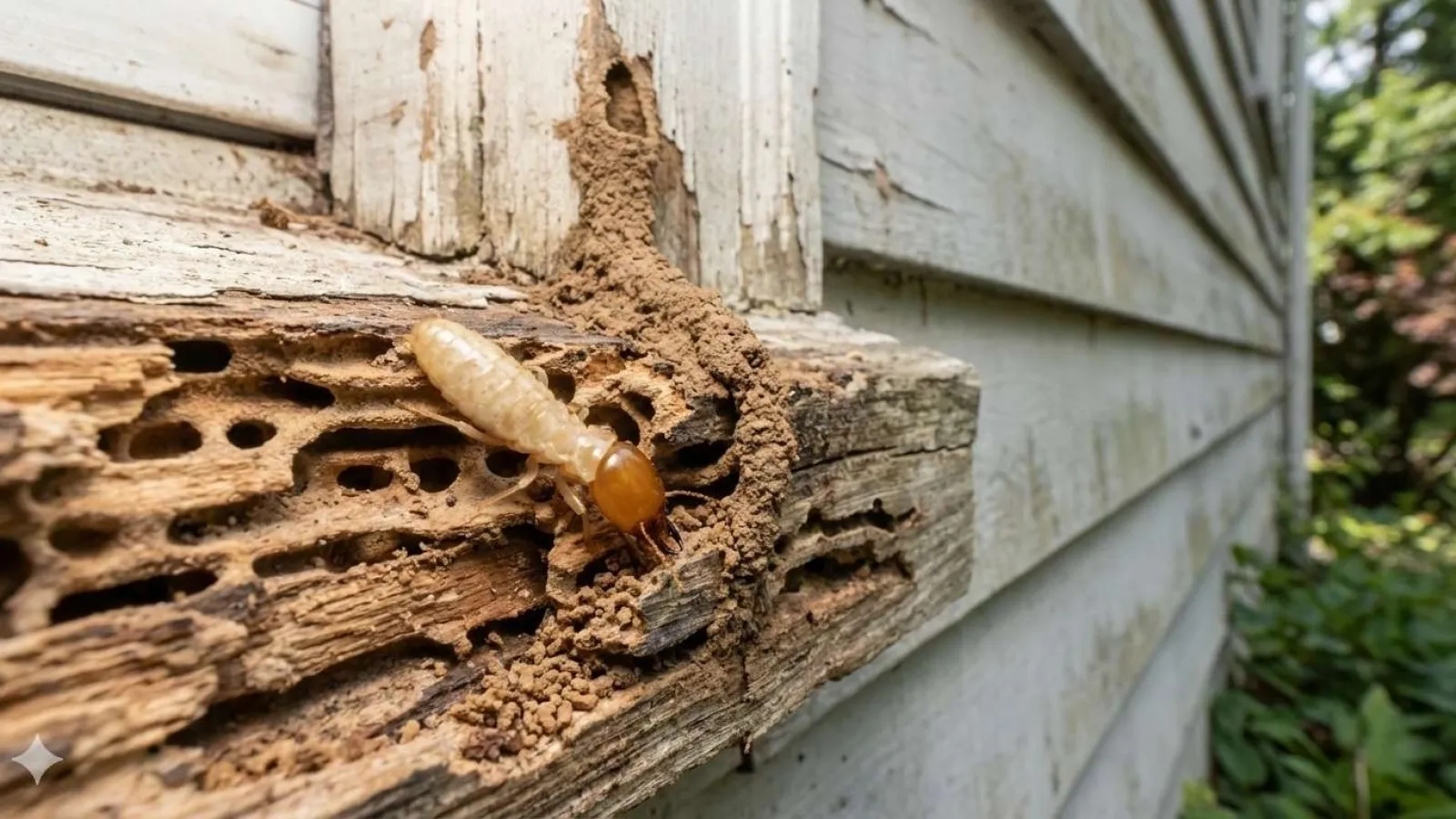
Eastern Subterranean Termites have earned the reputation of being "silent destroyers" for a terrifying reason: they can cause massive devastation long before you even realize they are there. When termites invade a home, they typically target the heavy, structural framework because it offers an endless supply of cellulose. This leads to dangerous instability in critical load-bearing areas.
Why You Need
Termite Protection
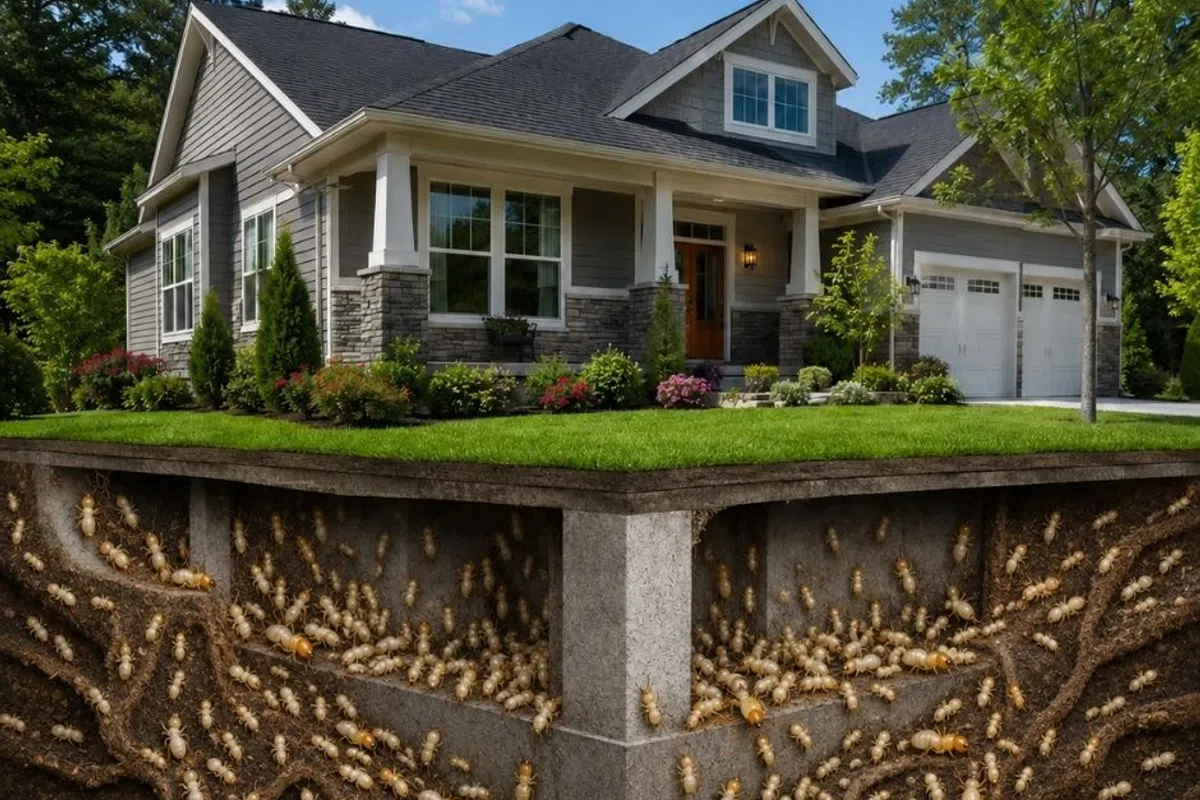
Your property is your biggest investment, but silent destroyers could be eating it from the inside out. Every year, termites cause an estimated $6.8 billion in structural damage—more than floods and fires combined.
Because they never sleep, a mature colony can devour a pound of wood in a single day, quietly destroying your flooring, support beams, and wall studs 24/7. By the time you actually see the signs, you could be looking at tens of thousands of dollars in repairs. The worst part? Standard homeowners insurance almost never covers it. Don't get stuck paying out of pocket for a preventable disaster. Secure your home with proactive termite protection today.
Understanding Termite Warranties
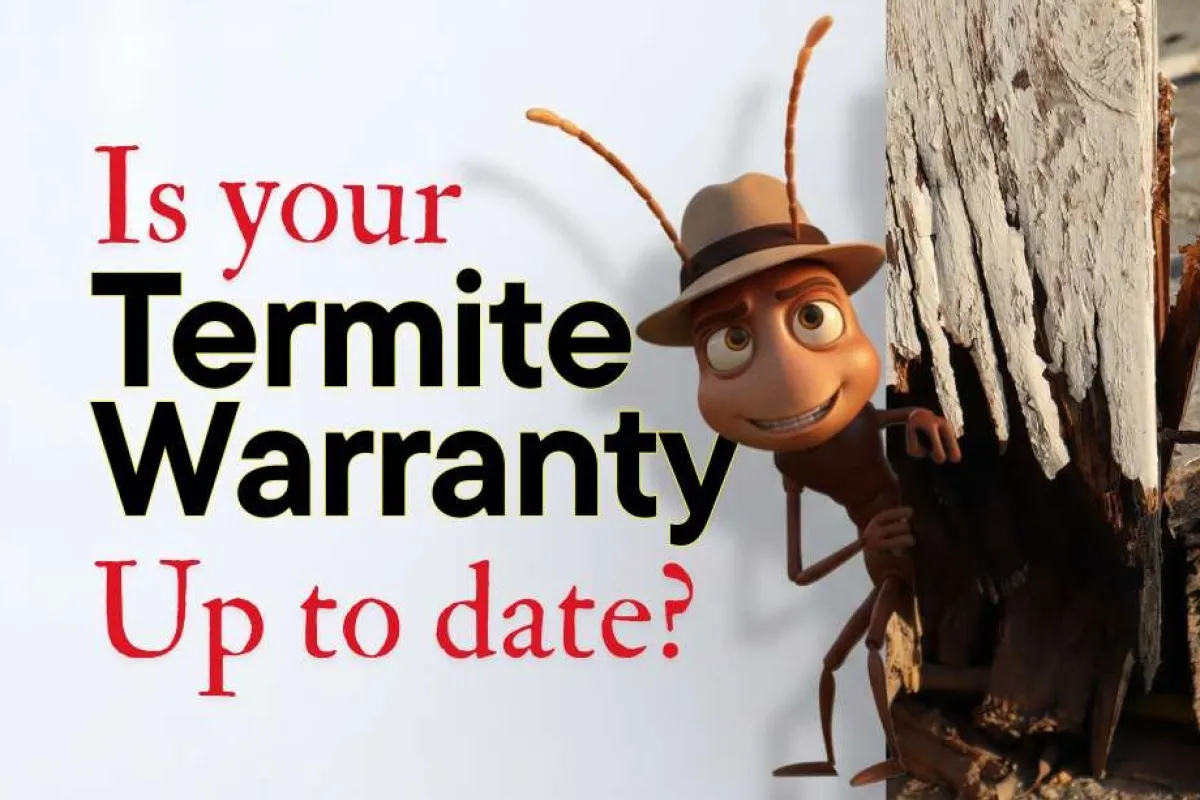
Palmetto Exterminators offers two distinct termite bonds to fit every budget and security need. The main difference? How they handle the cost of structural damage.
1. Retreat-Only Warranty
- How it works: If termites appear after treatment, we re-treat the area for free.
- Best fit for: Budget-focused homeowners who want a guaranteed termite barrier but are willing to absorb potential structural repair costs themselves.
2. Repair & Retreat Warranty
- How it works: You receive free re-treatments plus up to $250,000 in coverage for termite-related structural repairs.
- Best fit for: Homeowners wanting maximum financial protection—especially in zones with high Formosan termite populations—so they never have to pay out of pocket for termite damage.
Termite Control Questions
Answered
Do homes really need termite protection?
Yes, absolutely. In the Southeast, termite protection is not a luxury—it is an absolute necessity to protect your home's structural integrity.
- They Cause Hidden, 24/7 Destruction: Termites are "silent destroyers." They eat wood from the inside out, meaning a mature colony can consume a pound of wood a day while the surface of your walls and floors looks completely untouched. By the time you see them, severe damage is already done.
- The Insurance Gap: Standard homeowners insurance policies almost never cover termite damage, categorizing it as a preventable maintenance issue. Without a termite bond, structural repairs—which can cost tens of thousands of dollars—come entirely out of your pocket.
At Palmetto Exterminators, we know that prevention is always more affordable than repair. That is why we secure homes with proactive treatments backed by our Retreat-Only and Repair & Retreat Warranties, ensuring your biggest investment remains safe year-round.
Are termite reports required for real estate closings in GA?
Most lenders and buyers require a CL-100 or WDI report before a property can change hands. Palmetto Exterminators is the trusted choice for realtors and closing attorneys. Our team can provide these essential documents quickly.
What are the signs of termites?
Look out for these hidden warning signs, which are often mistaken for water damage.
- Bouncy, sagging, or "spongy" floors
- Blistering or bubbling paint on your drywall
- Baseboards and window sills that crumble easily
- Hardwood floors that splinter under furniture
If your walls are warping or your floors are sagging, the structural damage is already underway. Protect your home before the damage is done!
What do termites eat?
Termites feed strictly on cellulose, a tough organic compound found abundantly in nature—and in the materials used to build your home. Thanks to special microorganisms in their digestive tracts, termites can break down cellulose and turn it into energy to feed their massive colonies.
While we typically associate termites with eating wood, their constant hunt for cellulose means they will happily consume a wide variety of materials in and around your property, including:
- Structural Wood: Floor joists, support beams, wall studs, and roof framing.
- Building Materials: The paper backing of drywall (sheetrock), wallpaper, and wood paneling.
- Household Items: Cardboard storage boxes in your attic or garage, old books, newspapers, and even cotton fabrics.
- Exterior Sources: Mulch beds, firewood piles, fence posts, and dead tree stumps in your yard.
Why this matters: A mature termite colony is relentlessly searching for cellulose 24 hours a day. In their effort to reach a food source, they will chew through almost anything softer than their jaws, including plaster, foam insulation, and thin plastics. This unending appetite is exactly why proactive termite protection is essential to keeping your home intact.