
How Termite Bait Stations Work
Strategic Placement
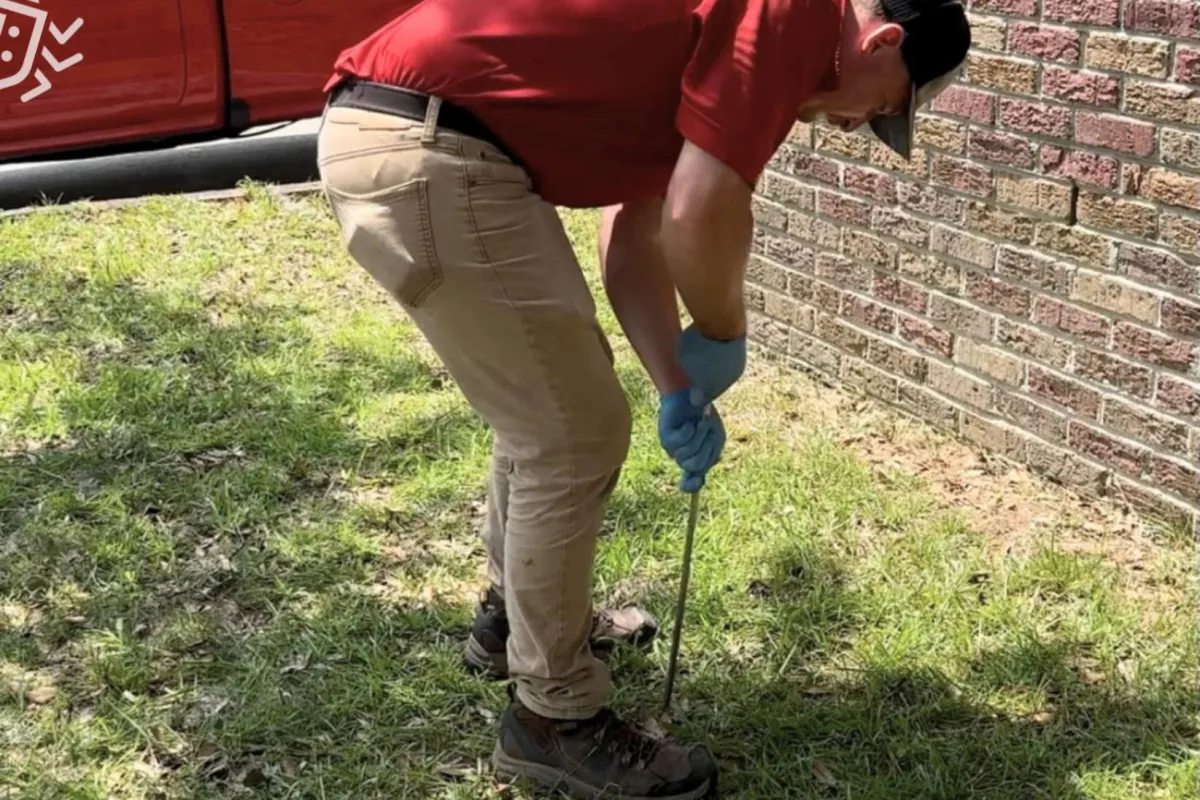
The first step in using bait stations is proper placement. Exterminators install these stations in the soil around your home, usually every 10 to 15 feet. Our highly trained Termite Specialist installs the bait stations around the perimeter of your home and other structures you want to protect.
Termite bait stations are underground monitoring and control systems designed to eliminate entire colonies, rather than just individual termites. These devices use a slow-acting termiticide hidden inside a cellulose-based material that termites love to eat. Over time, the poison spreads throughout the colony, reaching the queen and wiping out the population at its source.
How Bait Attracts Termites
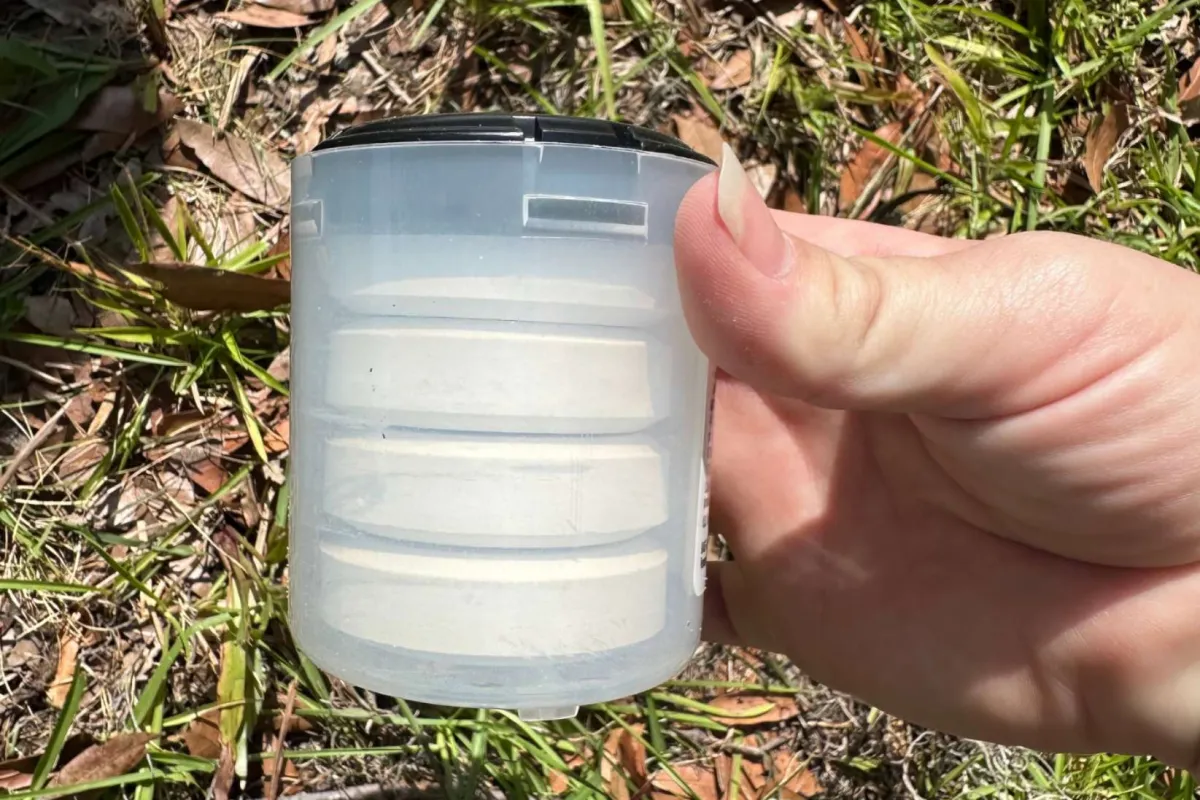
Each bait station has a wood-like, cellulose-based material infused with a slow-acting product. Termites are naturally drawn to cellulose because it is their primary food source. Since the poison works slowly, the termites don't immediately die. Instead, they carry the bait back to their colony, where they unknowingly share it with others.
The spreading of the bait is a key advantage of bait stations over liquid treatments. Liquid barriers only kill termites that come into direct contact with the chemical, while bait stations encourage colony elimination.
Colony-Wide Elimination
Once the worker termites bring the poisoned bait back to the nest, they share it through a process called trophallaxis. Trophallaxis is a social feeding behavior where termites pass food among colony members. Because the toxin acts gradually, it spreads before the termites realize anything is wrong. Over time, enough termites ingest the bait that the entire colony collapses—including the queen, who is responsible for reproduction.
This is especially important in South Carolina, where Formosan termites can form supercolonies with millions of members. Without the queen, the colony cannot survive, making bait stations one of the most effective long-term solutions for termite control.

Ongoing Monitoring & Maintenance
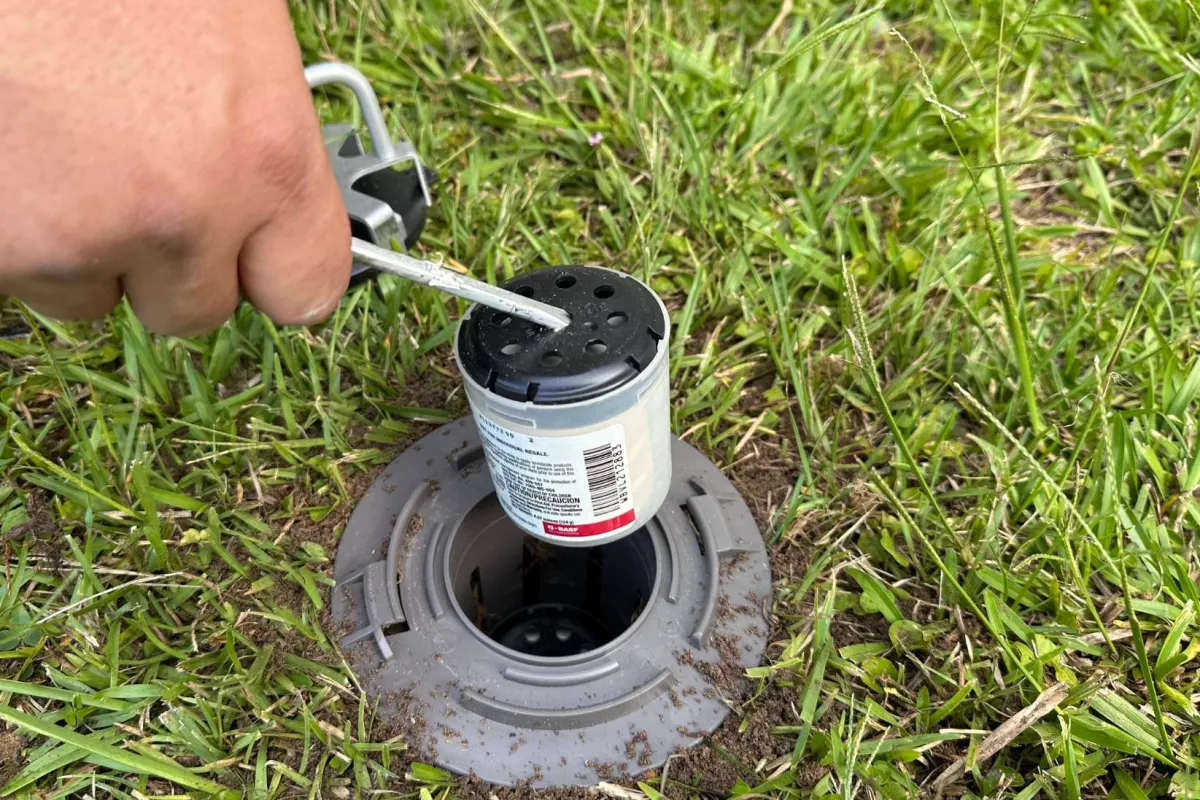
While bait stations are highly effective, they require regular monitoring to ensure termites continue to take the bait. As needed, Palmetto Exterminators professionals check the station to replenish the bait and replace any depleted materials.
Regular maintenance is critical, especially in our area, where Eastern Subterranean termites are constantly foraging for new food sources. Without ongoing monitoring, termites could find a new entry point and begin damaging your home all over again.

Protect Your Home with Expert Termite Control
At Palmetto Exterminators, we've spent over 60 years protecting South Carolina homes from costly termite damage. Unlike traditional liquid treatments, which create a chemical barrier around the home, bait stations target termites at the colony level. This means they stop the immediate infestation and prevent future termite problems. We offer two tailored warranty options to fit your needs:
Retreat & Repair Warranty: Includes annual inspections and up to $250,000 in repair and retreatment coverage for Formosan and Subterranean termites.
Retreat-Only Warranty: Provides peace of mind with no-cost retreatment should Formosan or Subterranean termite activity recur.