
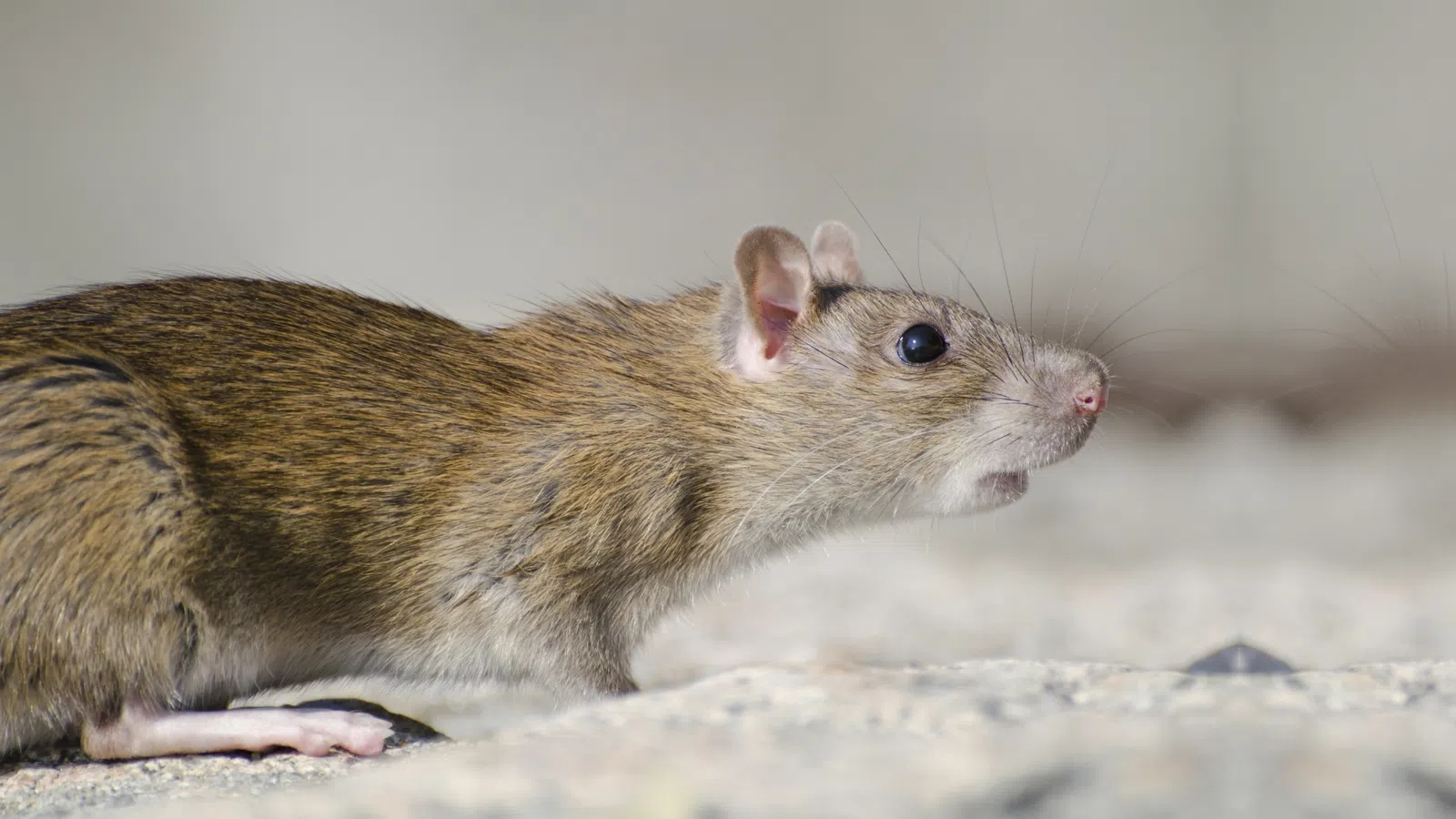
Marsh Rice Rats
Latin Name: Rattus rattus
When most homeowners think about rats, they picture Norway rats or roof rats living around homes, businesses, and garbage areas. But along the coast of South Carolina, North Carolina, and Georgia, there is another native rodent you may encounter: the marsh rice rat.
Marsh rice rats are naturally found around wetlands, marshes, creeks, and other areas with plenty of moisture. They usually live outdoors, but homes located near these environments can sometimes see rice rat activity around crawl spaces, garages, sheds, and other sheltered areas.
Understanding where marsh rice rats live and what attracts them can help homeowners know what to look for and when to call a professional.
What Is a Marsh Rice Rat?
The marsh rice rat, also known as Oryzomys palustris, is a small, semi-aquatic rodent native to the southeastern United States. Unlike Norway rats and roof rats, marsh rice rats prefer wet environments and are very comfortable living around water.
They are usually brown or grayish-brown with a lighter-colored belly. Adults are generally smaller and more slender than the larger rats homeowners often see around buildings. Their long tails can be nearly as long as their bodies.
One of their most interesting traits is their ability to swim. Marsh rice rats have water-resistant fur and can easily move through marshes, wetlands, and shallow waterways.
Where Are Marsh Rice Rats Found?
Marsh rice rats are especially common in the Coastal Plain of the Carolinas and Georgia.
They are often found around:
- Salt marshes
- Freshwater marshes
- Tidal creeks
- Swamps and wetlands
- Drainage areas
- Retention ponds
- Low-lying fields
- Areas with thick vegetation near water
This makes coastal communities in South Carolina, North Carolina, and Georgia especially suitable for marsh rice rats.
Homes around Charleston, Myrtle Beach, Hilton Head, Beaufort, Savannah, and other coastal communities may be closer to marsh rice rat habitat than homeowners realize.
Do Marsh Rice Rats Get Inside Homes?
Marsh rice rats are primarily outdoor animals, so they are not as closely associated with homes as house mice, Norway rats, or roof rats.
However, they may move closer to buildings when they find easy access to food, shelter, or dry areas.
A marsh rice rat may take shelter around:
- Crawl spaces
- Garages
- Sheds
- Storage buildings
- Wood piles
- Thick landscaping
- Debris around the property
- Areas underneath decks or porches
Homes near marshes, ponds, creeks, wetlands, and heavily wooded areas may have a greater chance of seeing these rodents.
Periods of heavy rain and flooding can also force rodents out of wet areas and onto higher ground, bringing them closer to homes and businesses.
Why Crawl Spaces Can Attract Rodents
Crawl spaces can provide many of the things rodents are looking for: shelter, darkness, warmth, and protection from predators.
Moisture problems can make the area even more attractive.
Standing water, damp soil, plumbing leaks, and poor ventilation can create conditions that support insects and other food sources. Rodents may then investigate the area while searching for food and shelter.
Open foundation vents, damaged crawl space doors, gaps around plumbing lines, and other openings can also give rodents an easy way inside.
Keeping your crawl space dry and properly sealed can help reduce conditions that attract rodents and other pests.
What Do Marsh Rice Rats Eat?
Marsh rice rats are omnivores, which means they eat both plants and animals.
Their diet can include seeds, grasses, fruits, insects, small aquatic animals, and other foods they find in wetland environments.
Around homes, rodents may also be attracted to bird seed, pet food, outdoor trash, fallen fruit, gardens, and other easy food sources.
Removing these attractants can help make your property less appealing to rodents.
Signs of Rodent Activity Around Your Home
Because marsh rice rats are mainly active at night, you may never see the rodent itself.
Instead, you may notice signs such as droppings, gnaw marks, scratching noises, nesting material, damaged insulation, or small openings around the exterior of your home.
You may also notice rodent trails through grass or vegetation near crawl spaces and other sheltered areas.
If you are seeing signs of rodent activity, identifying the species is important. Different rodents have different habits, nesting areas, and preferred environments.
Can Marsh Rice Rats Carry Disease?
Like other wild rodents, marsh rice rats can carry bacteria, parasites, and viruses.
They are also known to serve as a natural host for Bayou virus, a type of hantavirus found in parts of the southeastern United States. Human cases are rare, but homeowners should still avoid direct contact with wild rodents, droppings, urine, and nesting materials.
Rodent-contaminated areas should be handled carefully rather than swept or vacuumed while dry, since this can disturb contaminated material.
Professional rodent control can help identify the source of the activity and reduce unnecessary exposure.
How Can You Help Keep Rodents Away?
Rodent prevention starts with making your property less attractive and closing potential entry points.
Keep vegetation trimmed away from your home, store pet food and bird seed in sealed containers, remove clutter from around the foundation, and keep trash containers tightly closed.
You should also inspect the exterior of your home for gaps around crawl space doors, foundation vents, pipes, utility lines, siding, and other openings.
Because rodents can fit through surprisingly small spaces, even minor gaps may provide access.
Professional Rodent Control in South Carolina, North Carolina, and Georgia
Living near the coast means enjoying marshes, waterways, and beautiful natural surroundings. It also means wildlife and rodents may sometimes come closer to your property.
If you notice scratching noises, droppings, gnaw marks, or other signs of rodent activity, Palmetto Exterminators can help identify the problem and determine the best way to protect your home.
Our local teams understand the rodent and pest pressures homeowners face throughout South Carolina, North Carolina, and Georgia.
If you suspect rodents are making themselves comfortable around your home, contact Palmetto Exterminators to schedule an inspection.
When most homeowners think about rats, they picture Norway rats or roof rats living around homes, businesses, and garbage areas. But along the coast of South Carolina, North Carolina, and Georgia, there is another native rodent you may encounter: the marsh rice rat.
Marsh rice rats are naturally found around wetlands, marshes, creeks, and other areas with plenty of moisture. They usually live outdoors, but homes located near these environments can sometimes see rice rat activity around crawl spaces, garages, sheds, and other sheltered areas.
Understanding where marsh rice rats live and what attracts them can help homeowners know what to look for and when to call a professional.
What Is a Marsh Rice Rat?
The marsh rice rat, also known as Oryzomys palustris, is a small, semi-aquatic rodent native to the southeastern United States. Unlike Norway rats and roof rats, marsh rice rats prefer wet environments and are very comfortable living around water.
They are usually brown or grayish-brown with a lighter-colored belly. Adults are generally smaller and more slender than the larger rats homeowners often see around buildings. Their long tails can be nearly as long as their bodies.
One of their most interesting traits is their ability to swim. Marsh rice rats have water-resistant fur and can easily move through marshes, wetlands, and shallow waterways.
Where Are Marsh Rice Rats Found?
Marsh rice rats are especially common in the Coastal Plain of the Carolinas and Georgia.
They are often found around:
- Salt marshes
- Freshwater marshes
- Tidal creeks
- Swamps and wetlands
- Drainage areas
- Retention ponds
- Low-lying fields
- Areas with thick vegetation near water
This makes coastal communities in South Carolina, North Carolina, and Georgia especially suitable for marsh rice rats.
Homes around Charleston, Myrtle Beach, Hilton Head, Beaufort, Savannah, and other coastal communities may be closer to marsh rice rat habitat than homeowners realize.
Do Marsh Rice Rats Get Inside Homes?
Marsh rice rats are primarily outdoor animals, so they are not as closely associated with homes as house mice, Norway rats, or roof rats.
However, they may move closer to buildings when they find easy access to food, shelter, or dry areas.
A marsh rice rat may take shelter around:
- Crawl spaces
- Garages
- Sheds
- Storage buildings
- Wood piles
- Thick landscaping
- Debris around the property
- Areas underneath decks or porches
Homes near marshes, ponds, creeks, wetlands, and heavily wooded areas may have a greater chance of seeing these rodents.
Periods of heavy rain and flooding can also force rodents out of wet areas and onto higher ground, bringing them closer to homes and businesses.
Why Crawl Spaces Can Attract Rodents
Crawl spaces can provide many of the things rodents are looking for: shelter, darkness, warmth, and protection from predators.
Moisture problems can make the area even more attractive.
Standing water, damp soil, plumbing leaks, and poor ventilation can create conditions that support insects and other food sources. Rodents may then investigate the area while searching for food and shelter.
Open foundation vents, damaged crawl space doors, gaps around plumbing lines, and other openings can also give rodents an easy way inside.
Keeping your crawl space dry and properly sealed can help reduce conditions that attract rodents and other pests.
What Do Marsh Rice Rats Eat?
Marsh rice rats are omnivores, which means they eat both plants and animals.
Their diet can include seeds, grasses, fruits, insects, small aquatic animals, and other foods they find in wetland environments.
Around homes, rodents may also be attracted to bird seed, pet food, outdoor trash, fallen fruit, gardens, and other easy food sources.
Removing these attractants can help make your property less appealing to rodents.
Signs of Rodent Activity Around Your Home
Because marsh rice rats are mainly active at night, you may never see the rodent itself.
Instead, you may notice signs such as droppings, gnaw marks, scratching noises, nesting material, damaged insulation, or small openings around the exterior of your home.
You may also notice rodent trails through grass or vegetation near crawl spaces and other sheltered areas.
If you are seeing signs of rodent activity, identifying the species is important. Different rodents have different habits, nesting areas, and preferred environments.
Can Marsh Rice Rats Carry Disease?
Like other wild rodents, marsh rice rats can carry bacteria, parasites, and viruses.
They are also known to serve as a natural host for Bayou virus, a type of hantavirus found in parts of the southeastern United States. Human cases are rare, but homeowners should still avoid direct contact with wild rodents, droppings, urine, and nesting materials.
Rodent-contaminated areas should be handled carefully rather than swept or vacuumed while dry, since this can disturb contaminated material.
Professional rodent control can help identify the source of the activity and reduce unnecessary exposure.
How Can You Help Keep Rodents Away?
Rodent prevention starts with making your property less attractive and closing potential entry points.
Keep vegetation trimmed away from your home, store pet food and bird seed in sealed containers, remove clutter from around the foundation, and keep trash containers tightly closed.
You should also inspect the exterior of your home for gaps around crawl space doors, foundation vents, pipes, utility lines, siding, and other openings.
Because rodents can fit through surprisingly small spaces, even minor gaps may provide access.
Professional Rodent Control in South Carolina, North Carolina, and Georgia
Living near the coast means enjoying marshes, waterways, and beautiful natural surroundings. It also means wildlife and rodents may sometimes come closer to your property.
If you notice scratching noises, droppings, gnaw marks, or other signs of rodent activity, Palmetto Exterminators can help identify the problem and determine the best way to protect your home.
Our local teams understand the rodent and pest pressures homeowners face throughout South Carolina, North Carolina, and Georgia.
If you suspect rodents are making themselves comfortable around your home, contact Palmetto Exterminators to schedule an inspection.
Similar Pests: Norway rats, Roof rats